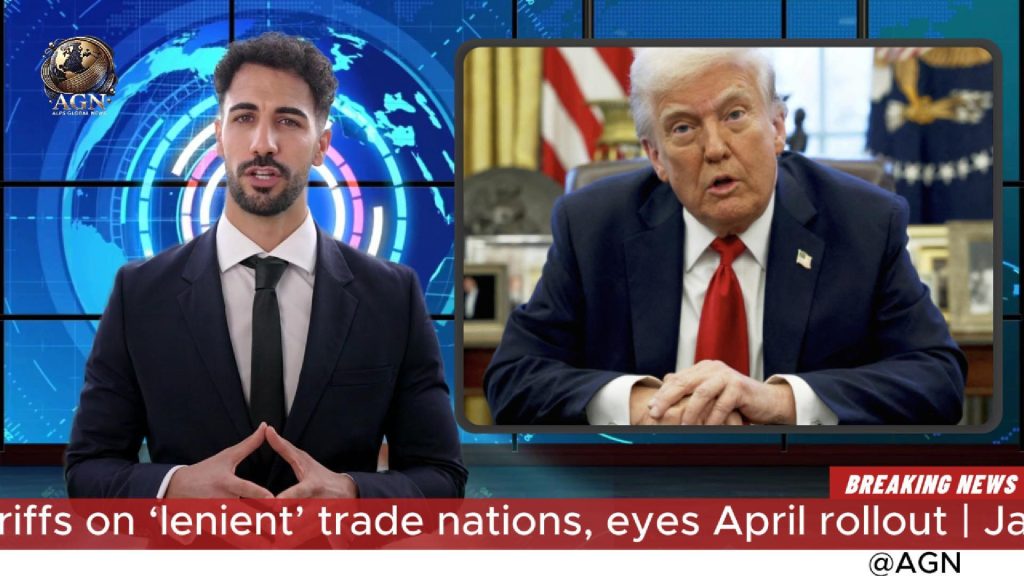
Malaysia Expands Aviation Horizons as Trump’s Trade Turmoil Rattles Global Markets and Asia Pushes Back
Alps Global News | March 28, 2025
Malaysia’s aviation ambitions are taking off. Malaysia Airports Holdings Bhd (MAHB) is strategically shifting its focus toward attracting more long-haul operations, especially from Europe and other regions. Speaking at the Routes Asia 2025 conference, MAHB’s general manager of strategy Megat Ardiani Wira Mohd Aminuddin shared that most future wide-body operations could come from European carriers.
The airport operator has set a goal of bringing in 12 new intentional airlines by 2025, with strong interest also coming from North African and Middle Eastern carriers. MAHB is also planning deeper collaborations with airport authorities to enhance route planning and capacity expansion.
At home, Malaysia’s aviation sector is gaining altitude. February air passenger traffic grew by 6.9% year-on-year, hitting 8.7 million passengers. The growth was largely attributed to new visa policies and the launch of new international routes, especially between Malaysia and cities in China, Japan, and India. Notably, Penang International Airport saw an 8.7% year-on-year increase, leading the charge in domestic growth.
Meanwhile, Muhibbah Engineering has raised its stake in packaging firm Master-Pack to 31%, signaling confidence in dividend potential and long-term income generation. The move comes as part of Muhibbah’s strategy to boost its earnings base through equity accounting and dividend payouts.
On the macroeconomic front, Malaysia’s producer price index rose modestly by 0.3% in February, driven by gains in agriculture, forestry, and fishery sectors. However, the manufacturing and mining sectors continue to face downward pressure due to weaker petroleum and natural gas output.
As the nation prepares for the Hari Raya Aidilfitri festivities, Prime Minister Datuk Seri Anwar Ibrahim reassured the public that food supplies are secure, with prices kept under control through government measures and the Special Task Force on Food Prices (SHMMPP). These efforts have helped stabilize prices and prevent shortages during peak demand periods.
Global Stage: Trump’s Tariffs Reshape Trade Dynamics
The international landscape is dominated by US President Donald Trump’s aggressive new tariffs, especially the 25% levy on imported cars and auto parts. The announcement sparked a sharp selloff in global auto stocks, wiping out nearly US$4.8 billion in combined market value for major automakers like BMW, Volkswagen, Mercedes-Benz, and Porsche.
CEOs now face a tough choice: shift production to the US, swallow the new costs, or pass them onto consumers. With nearly half of all US car sales coming from imported vehicles, the new tariffs threaten to raise prices across the board.
Tesla, however, emerged as a rare winner. With most of its production based in the US, Elon Musk’s EV company is among the least affected, and analysts say Tesla could benefit from rivals’ rising production costs.
Adding to the trade drama, Trump warned of reciprocal tariffs on the EU and Canada, and even hinted at lowering China tariffs to secure a deal on TikTok. Markets remain on edge as nations respond—Japan hasn’t ruled out countermeasures, and South Korea is planning emergency steps for its auto industry in April.
Asia Pushes Back, Strengthens Economic Fortunes
Amid trade tensions, China’s state oil giant CNOOC posted a record RMB137.9 billion profit, even with lower oil prices. The company achieved this through record-high output and cost efficiency, solidifying its dominance in the energy sector.
At the Boao Forum, Chinese Vice-Premier Ding Xuexiang reaffirmed the country’s strong start to 2025, pledging continued support for economic growth and innovation. The government is focused on boosting domestic demand and foreign investor confidence, even as it suspends new deals with the Li Ka-shing family following controversial port sales.
Thailand is also taking big steps. The Thai Cabinet has approved a draft law to legalize casinos—albeit with strict limitations for locals. At the same time, a new emergency decree is giving more power to the country’s capital markets regulator to prevent fraud and rebuild investor trust after major corporate scandals rocked the nation.
In Singapore, regulators are proposing new frameworks to allow retail investors access to private market investment funds, a move aimed at rejuvenating the nation’s equity market. Additionally, Singapore has raised campaign spending limits ahead of its next general election.
And in a fascinating agricultural development, Indonesia is introducing one million African weevils to boost palm oil production. The insects are expected to enhance pollination, helping to counter years of declining yields and tight supply in one of the world’s most vital commodities.
A World in Motion
From Malaysia’s bold aviation goals to Trump’s economic chess moves and Asia’s growing policy assertiveness, the global stage is shifting at rapid pace. As tensions mount, opportunities arise—and the path forward will be shaped by how governments, businesses, and investors respond to these evolving dynamics.
Stay with Alps Global News for more updates throughout the day.